



Is the dishwasher worth buying?

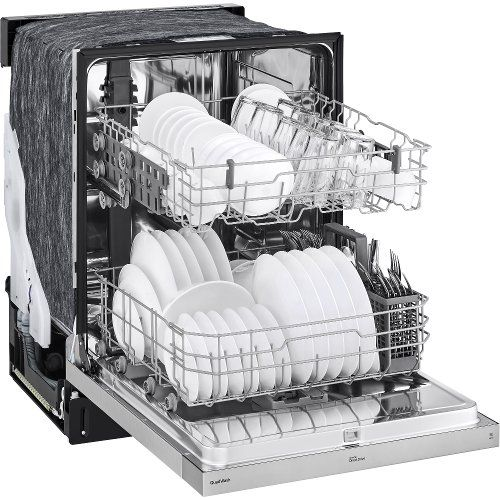
Summer in Boise and its surrounding areas like Meridian, Nampa, and Caldwell can be a delightful time for relaxation and enjoyment. At Appliances 4 Less Boise, we believe your home appliances can play a significant role in simplifying your summer activities. Here’s how you can leverage these tools to enhance your summer experience, even with appliances that are open box, scratch, and dented.
Traditional hand-washing utensils not only consume time and energy, but are also difficult to completely remove oil stains and bacteria. As technology develops, dishwasher machines gradually enter thousands of homes, changing our way of life with their efficient, energy-efficient characteristics. This article will deeply analyze how they work and fully explore their advantages and limitations, helping you to objectively understand and make wise choices.
(1)、Working Principles
The dishwasher works relatively simply, mainly by spraying high-temperature water and detergent through the nozzle, using the impact of the water flow to clean up the dirt and grease on the cutlery. In general, the dishwasher‘s workflow consists of the following several steps:
1. pre-washing: Rinse with cold or warm water, initially removing food residue from the surface of the utensils.
2. wash: Inject heated detergent water to thoroughly cleanse the oil stains through high-temperature, high-pressure water flow.
3. cleaning: Repeatedly rinse with clear water and add bleach to remove detergent residue and prepare for drying.
4. drying: Use residual heat condensation or actively blowing hot air to evaporate moisture, ensuring dryness and hygiene of utensils.
(2)、Advantages
1. saving time and energy
Placing dirty dishes in the dishwasher and turning it on frees your hands from having to scrub them manually. The advantage is particularly obvious in family dinners or cleaning scenes after large guests.
2. better cleanliness and hygiene effects
The dishwasher uses high-temperature hot water (typically above 60–70°C) and strong sprays to efficiently dissolve oil stains, kill most bacteria, and completely clean the corners and crevices that are hard to reach by hand washing.

3. improved drying and disinfection effects
Most dishwashers are equipped with drying functions, such as residual heat, hot air drying, and so on, which dry the dishes after washing and reduce the proliferation of bacterial odors. Some mid-to-high-end models also have professional disinfection procedures, with higher hygiene standards.
4. water conservation and environmental protection
Modern energy-efficient dishwashing machines use much less water for standard washing and recycling compared to the water used for conventional hand washing. Long-term use can save a large amount of water resources for the household and achieve environmental goals.
5. protecting cutlery
For glassware, ceramic cutlery, and more, the special dishwasher detergent and soft mode reduce the collisions and scratches that may be caused by hand washing, and long-term use maintains the lustre of cutlery.
6. protect your hands
Avoid prolonged exposure to oil stains, detergents, and hot water to protect your skin and prevent dry, rough, or allergic hands.
7. save space and maintain neatness and beauty
Use as a large cutlery cabinet to reduce clutter on the kitchen countertops. The built-in model integrates with kitchen cabinets to maintain a unified kitchen style.

(3)、Limitations
1. high cost
①. High initial one-off investment: The purchase of machinery and possible installation, water and electricity changes costs are a significant initial expenditure.
②. Cost of running consumables: The need to continuously purchase specialized dishwashing powders/blocks, dish polishers, and soft water salts increases long-term usage costs.
2. occupying kitchen space
Requires fixed installation locations (embedded ones require pre-planning cabinets, tables/independent ones occupy tabletop or floor space), and are not friendly for small-family kitchens.
3. installation requires certain conditions
Appropriate space (cabinet sizes), power supply, water intake and drainage openings need to be reserved. Older kitchen renovations may involve changes to pipes and cabinets.
4. there are certain requirements for the use process
①. Pretreatment required: Large chunks of residue must be emptied, otherwise the filter can easily clog.
②. Requirements for proper placement: cutlery must be placed according to specifications, otherwise it affects the cleaning effect.
③. Long washing cycle: The standard procedure usually takes 1-3 hours and is not suitable for emergencies with small amount of cutlery.
5. not applicable to certain utensils
Not applicable for non-stick pans with coating, cast iron pans, precious crystal/hand-painted porcelain, wooden cutlery (sensible to cracking and deformation), plastic products (may not withstand high temperatures), etc.
6. may cause noise
Some noise (approximately 40–55 decibels) can be produced during operation, and although it has been continuously optimized, it may still affect people who are sensitive to sound or when resting in open spaces.

Conclusion
The dishwasher is not just a cleaning tool, but a microcosm of the development of modern kitchen intelligence and health. It redefines the hygiene standards of cutlery care through high-temperature, high-pressure water flow and scientific washing procedures, while improving cleaning efficiency. Although it has certain limitations in cost, space, and applicability, many problems have been gradually optimized as technology iterates and products become common. Hopefully, the analysis in this article will help you see its value more rationally and make the right decisions based on your own needs.


