



Energy Consumption Status of Microwave Oven

Summer in Boise and its surrounding areas like Meridian, Nampa, and Caldwell can be a delightful time for relaxation and enjoyment. At Appliances 4 Less Boise, we believe your home appliances can play a significant role in simplifying your summer activities. Here’s how you can leverage these tools to enhance your summer experience, even with appliances that are open box, scratch, and dented.
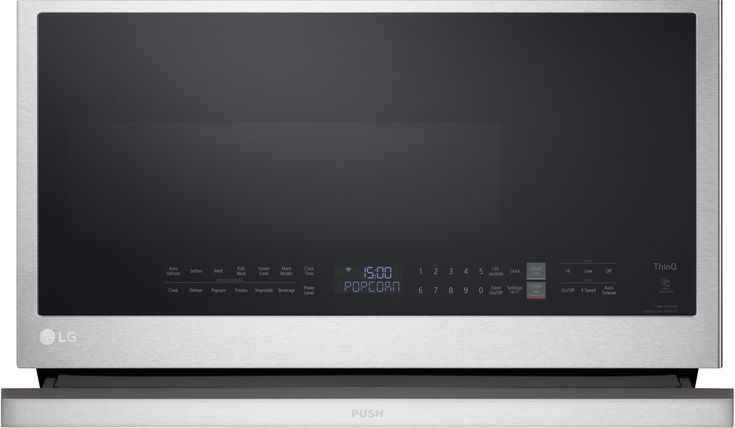
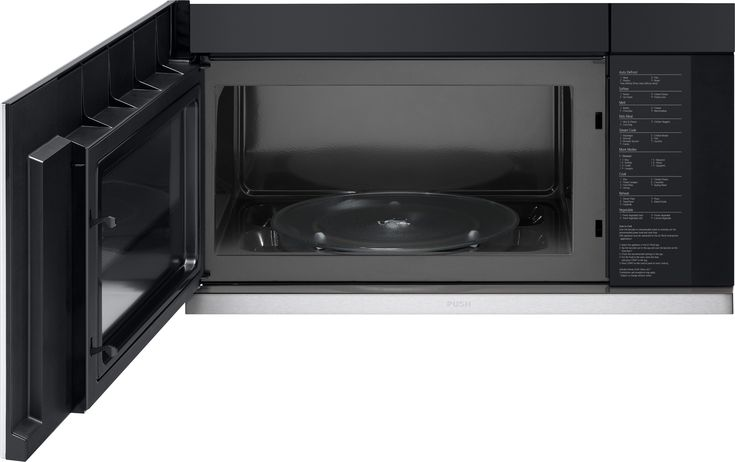
In modern kitchens, microwave ovens are loved by people for their convenience and efficiency, but they are often labeled as high power consumption. Many people see the power value marked on the body of the microwave oven and naturally link it to the electricity bill. However, the fact may overturn our perception-not only are microwave ovens not big power users, but may be one of the most energy-efficient heating devices in the kitchen.
(1)、The truth of the energy consumption of microwave ovens
In order to understand the truth about the energy consumption of microwave ovens, we first need to be clear: the rated power marked by electrical appliances is not the same concept as the actual power consumption.
Power is measured in watts (W), which reflects the amount of energy consumed by electrical appliances per second; power consumption is in kilowatt-hours (kWh), which is obtained by multiplying power and usage time. For example, if a microwave oven with a power of 1000W is used for 10 minutes, converted into about 0.167 hours, its power consumption is 1kW × 0.167h = 0.167kWh. This shows that even if the microwave oven power is higher, but because of the limited use time, the actual power consumption may be much lower than the long-running low-power appliances.
(2)、Reasons for low energy consumption of microwave ovens
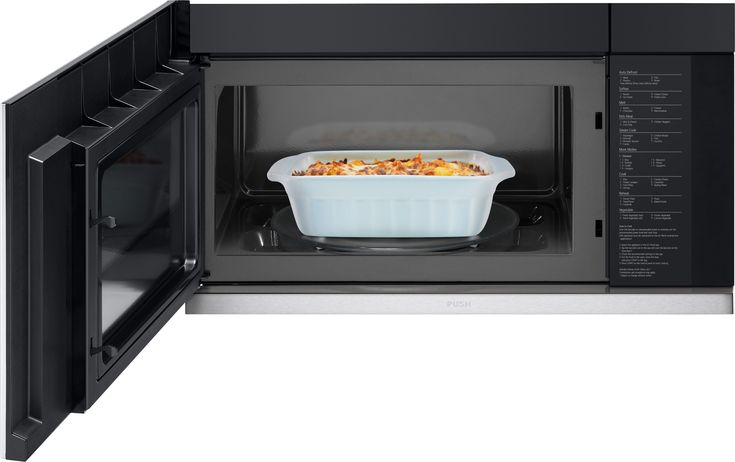
The power of a standard household microwave oven is mostly in the range of 600 – 1200 watts. According to this calculation, its working power consumption is 0.6 – 1.2 degrees per hour. However, its actual energy consumption is much lower than this value, due to its efficient heating mechanism:
1. high heating efficiency
Microwave directly acts on food, less energy loss, heat utilization rate of 50 – 60%, far more than the traditional electric oven 10 – 20% utilization rate. This means that the microwave oven can convert more electricity directly into effective energy for heating food.
2. short use time
Microwave ovens heat up much faster than traditional cooking methods. Due to the rapid heating, the microwave oven has a short single use time. For example, it only takes one or two minutes to heat a glass of water 1, and only two or three minutes to heat a 1 portion of leftovers, which is far less than the time required for an oven or gas stove, so the cumulative energy consumption is lower.
(3)、Compared with other household appliances power consumption
When comparing the energy efficiency of common kitchen appliances, the data may give you a new understanding of daily electricity consumption:
1. heat a 1 serving of 300 grams of leftovers
①. Microwave oven (1000W)
Microwave heating takes about 2 minutes. Power consumption = 1 kW × (2/60) hours ≈ 0.033 degrees of electricity.
②. Traditional electric oven (2000W)
Preheat and heat the oven for at least 15 minutes. Power consumption = 2 kW × 0.25 hours = 0.5 degrees of electricity, which is more than 15 times that of microwave ovens.
③. Induction Cooker (1800W)
Using the induction cooker requires boiling water in a pot, which takes about 8 minutes.
Power consumption = 1.8 kW × (8/60) hours ≈ 0.24 degrees of electricity, which is more than 7 times that of microwave ovens.
2. conclusion
When dealing with tasks such as heating, thawing and simple cooking of small and medium-sized ingredients, microwave ovens are often the ideal choice for the lowest energy consumption.
(4)、Key factors affecting power consumption
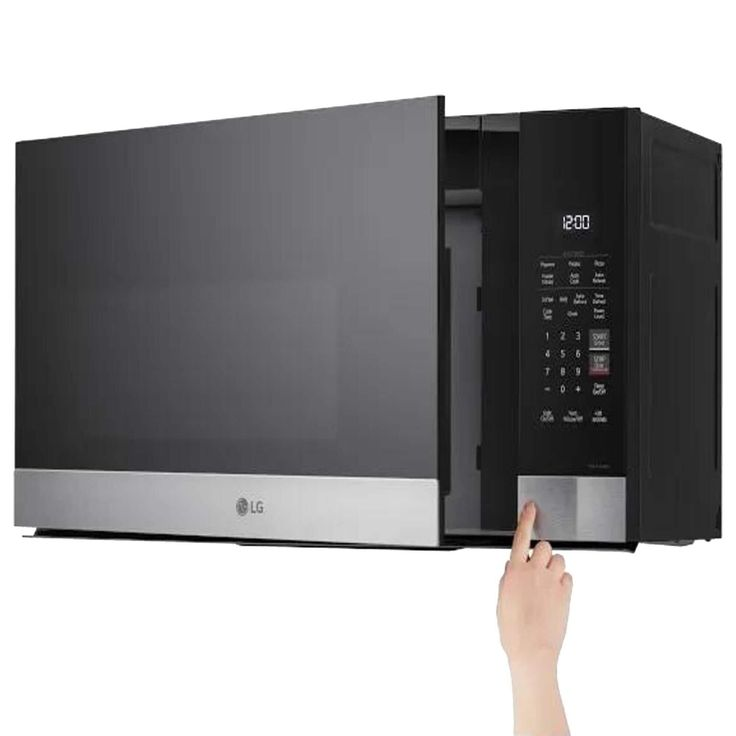
1. heating duration
This is the most direct factor affecting power consumption. The longer the heating time, the more power is consumed.
2. power gear
The microwave oven is equipped with various power gears. When the high-fire gear is used for rapid heating, although the instantaneous power is at a high level, the heating time is short and the power consumption is relatively small. However, when the low-fire gear is used for slow stewing, the total heating time is greatly lengthened, and the total power consumption will eventually increase.
3. the food itself
The initial temperature of the food itself, the proportion of water contained, and the specific mass component will all affect energy consumption. For example, heating frozen food must consume far more energy than heating food at room temperature.
4. standby power consumption
Microwave ovens with electronic display, clock and other functions also consume a small amount of electricity (usually 1-2 degrees per month) when plugged in.
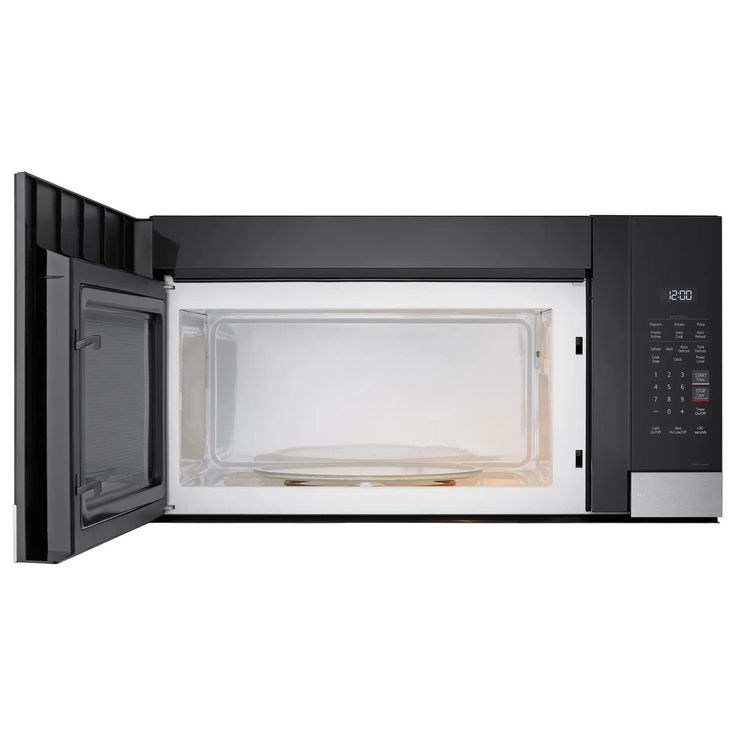
(5)、Microwave energy saving use of the golden rule
If you want to maximize the energy saving effect of microwave oven, you can follow the following suggestions:
1. reasonable choice of power
Not all foods need maximum power. Thawing, insulation can be used in low power, both to ensure the effect and save electricity.
2. pay attention to container selection
Use the appropriate container: choose microwave special container, glass and ceramic products absorb less microwave, heating efficiency is higher.
3. keep clean
The oil and food residues on the inner wall of the microwave oven will absorb the microwave and reduce the heating efficiency. Regular cleaning can maintain the best working condition.
Reduce the number of door openings: Each door opening will lose heat and humidity, increase the subsequent heating time and energy consumption.
4. reasonable planning of use
If you need to heat multiple portions of food, try to complete it at one time to avoid energy loss caused by multiple starts.
5. utilization of waste heat
After heating, let the food stay in the microwave oven for 1-2 minutes, and use the waste heat to complete the final heating.
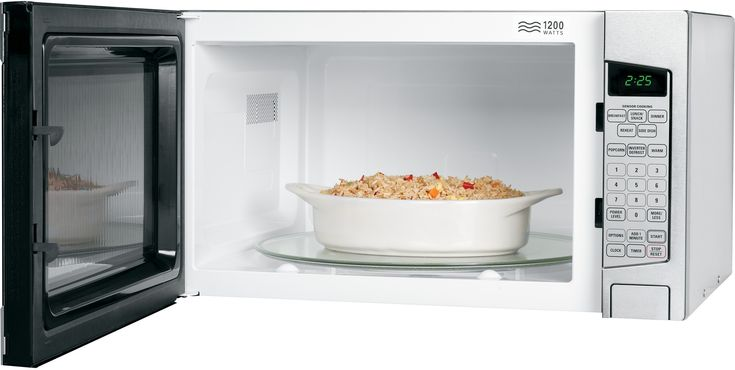
Conclusion
Microwave ovens are not the “big energy consumers” that many people think “. Its efficient and direct heating method and short use time make it more energy-saving and economical than traditional ovens and induction cookers when completing daily heating, thawing and
other tasks. By mastering simple techniques such as reasonable selection of gears, keeping clean, and using waste heat, we can completely allow microwave ovens to provide convenience while controlling energy consumption at a lower level.


