



Common Gas Stove Troubleshooting

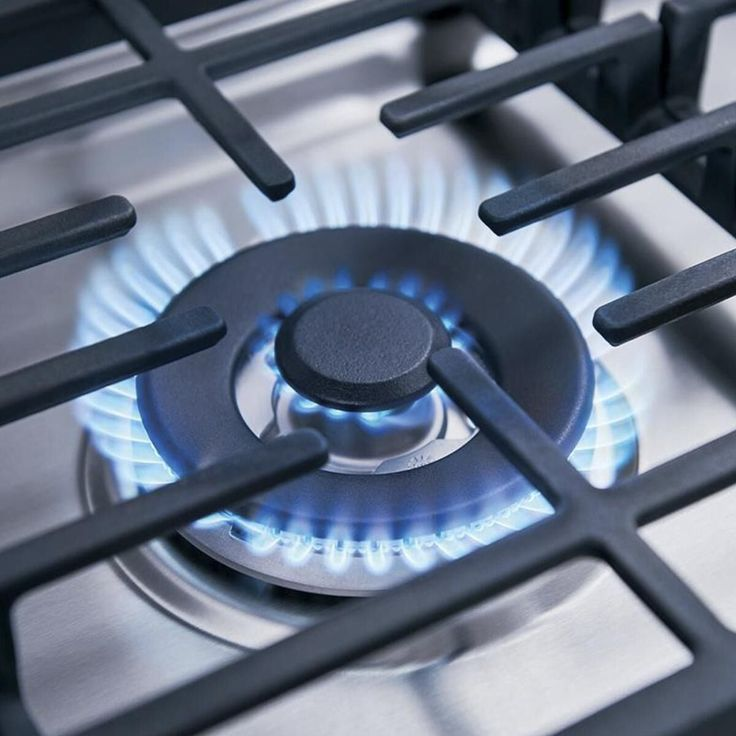
Summer in Boise and its surrounding areas like Meridian, Nampa, and Caldwell can be a delightful time for relaxation and enjoyment. At Appliances 4 Less Boise, we believe your home appliances can play a significant role in simplifying your summer activities. Here’s how you can leverage these tools to enhance your summer experience, even with appliances that are open box, scratch, and dented.
As the core equipment of the kitchen, the stability of the gas stove directly affects the cooking experience. However, problems such as difficult ignition, abnormal flame, and automatic flameout frequently plague users. This paper combines the working principle and maintenance experience of gas stoves to systematically sort out the troubleshooting and solutions of 5 common faults to help you quickly restore the safety of kitchen fire.
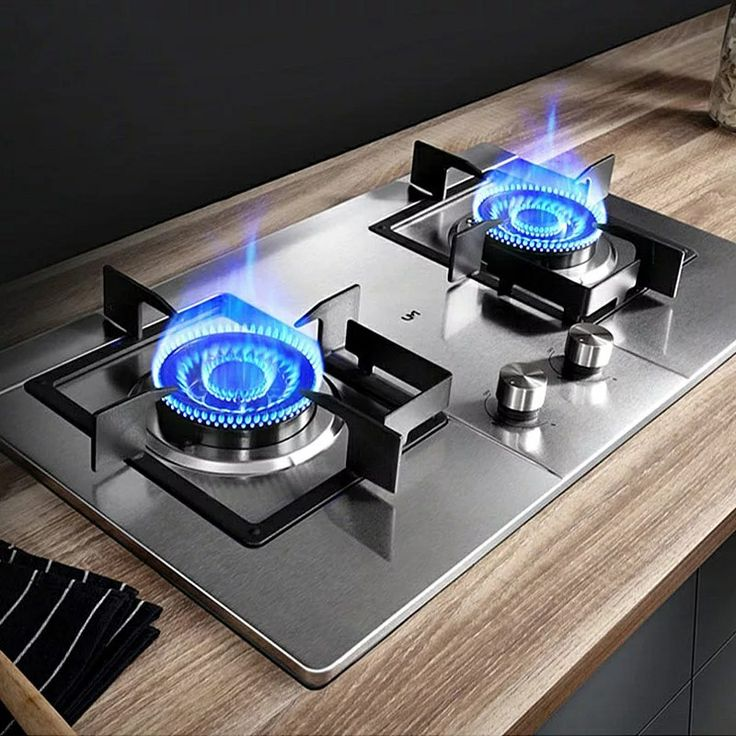
1. Difficult ignition: no response or continuous ignition when pressing the knob
Cause of failure:
Low battery power or poor contact;
The surface of the ignition needle is covered with oil or its position is offset;
The gas pipeline valve is not fully opened or the gas pressure is insufficient.
Solution:
Replace the battery: open the battery compartment and check whether the battery is reverse, rusty or the insulating cap is not torn off. It is recommended to use brand alkaline batteries to avoid the use of inferior batteries to cause unstable current.
Clean the ignition needle: gently polish the metal tip of the ignition needle with fine sandpaper until it is bright, and adjust the distance between it and the fire cover to 4-6mm (standard value).
Check the gas supply: confirm that the main gas valve and the valve in front of the stove have been fully opened, and observe whether the gas meter is in arrears and stops gas. If the air pressure is insufficient, contact the gas company for maintenance.
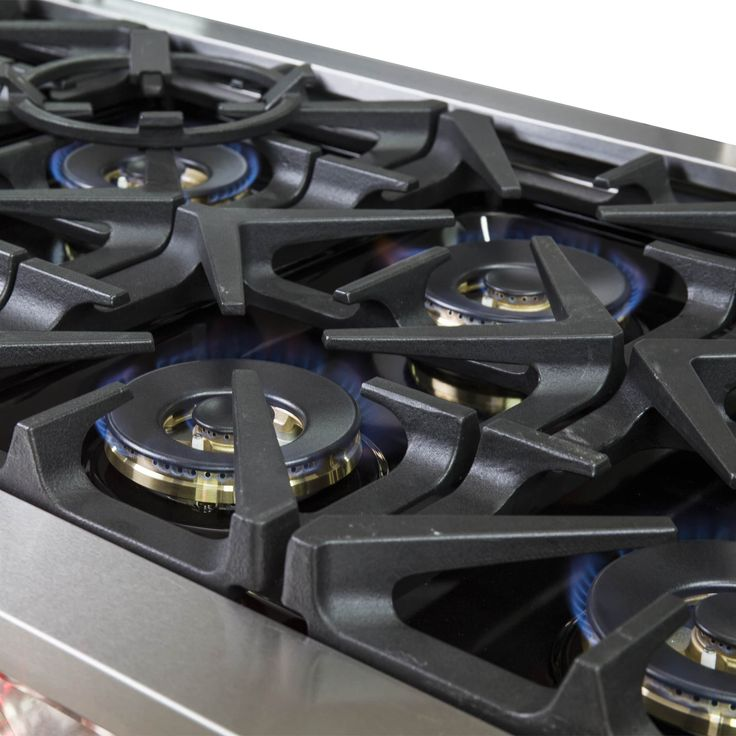
2. Abnormal flame: yellow flame, red fire or tempering
Cause of failure:
Imbalance of air mixing ratio due to improper adjustment of damper;
The fire outlet of the fire cover is blocked or the fire cover is deformed;
Poor gas quality or aging burner.
Solution:
Adjust the air door: open the cabinet door at the bottom of the stove, and find the air door paddles (left and right 1). Slowly fine the damper to the left and right in the ignition state until the flame is a stable blue cone and there is no flame out.
Dredge the fire hole: Use toothpicks or paper clips to clean the center hole of the fire cover and the surrounding fire holes to ensure that there is no oil or food residue blockage. If the fire cover is deformed, replace the original parts.
Improve gas quality: contact the gas company to detect gas composition, avoid the use of excessive impurities of liquefied gas or natural gas.
3. Automatic flameout: the flame goes out within a few seconds after ignition
Cause of failure:
Flameout protection device misoperates (thermocouple/ion sensor needle fault);
Thermocouple is not sufficiently heated or the position of sensor needle is shifted;
Solenoid valve connection loose or aging.
Solution:
Extend the pressing time: after ignition, keep the knob pressed for 5-10 seconds to ensure that the thermocouple is fully heated and generates enough current.
Clean the sensor needle: polish the metal tip of the sensor needle with fine sandpaper until it is bright, and adjust its contact position with the flame (it must be completely covered by the blue flame).
Check the solenoid valve: confirm whether the solenoid valve wiring is loose (especially the yellow thermocouple line), if the solenoid valve aging need to be replaced.
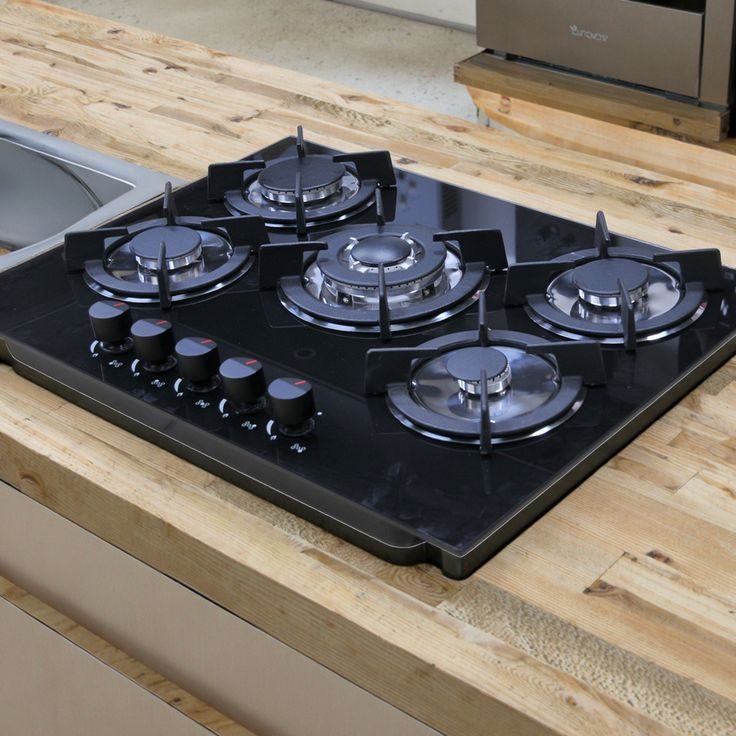
4. Release the flameout: the flame will go out immediately after the knob is released.
Cause of failure:
The sensitivity of flameout protection device is too high;
The spring inside the knob valve body is aged or stuck;
The current transmission between the thermocouple and the solenoid valve is unstable.
Solution:
Adjustment of protection device: some models support the adjustment of the sensitivity of the flameout protection device (to be operated by professionals) to avoid misoperation due to environmental interference (such as wind).
Replace the valve body: If there is no “click” sound after the knob is released (the solenoid valve sucks), it may be that the valve body spring is invalid, and the valve body assembly needs to be replaced.
Stable current transmission: check whether the contact piece of the battery compartment is oxidized, polish the contact piece with sandpaper and reinstall the battery.

5. Gas leakage: smell the smell or hear the hissing sound
Cause of failure:
The gas hose is aged and broken or the interface is loose;
The internal valve of the stove is not tightly sealed;
Gas meter or pipe connection leakage.
Solution:
Immediately close the gas source: quickly close the main gas valve, open doors and windows for ventilation, it is strictly prohibited to touch the electrical switch or use open flame.
Check the hose: use soapy water to smear the hose interface and bend, and observe whether there are bubbles. If leakage is found, immediately replace the metal bellows (anti-aging, anti-mouse bite).
Contact professional maintenance: if the leakage point is located in the stove or gas meter, contact the gas company or after-sales personnel for maintenance, and do not disassemble it yourself.
Daily prevention and maintenance recommendations
Regular cleaning: wipe the surface of the cooker with a soft cloth every week, dredge the fire hole of the fire cover every month, and polish the induction needle every six months.
Avoid overflow of soup: Use an overflow-proof lid when cooking to prevent the liquid from extinguishing the flame and causing the sensor needle to become damp.
Self-test safety function: block the sensor needle after igniting the minimum fire, and confirm that the automatic flameout function is normal within 60 seconds.
Replace accessories in time: The gas hose is replaced every 18 months, and the battery is checked every 6 months.


