



Secrets to Preserving Food in Refrigerators and Freezers

Summer in Boise and its surrounding areas like Meridian, Nampa, and Caldwell can be a delightful time for relaxation and enjoyment. At Appliances 4 Less Boise, we believe your home appliances can play a significant role in simplifying your summer activities. Here’s how you can leverage these tools to enhance your summer experience, even with appliances that are open box, scratch, and dented.
In the fast-paced modern life, refrigerators and freezers have become indispensable preservation tools for families. They silently guard the freshness and nutrition of ingredients, making our lives more convenient and healthy. However, how to use these two cold storage equipment scientifically is a subject worthy of further study. This article will combine the use characteristics of refrigerators and freezers, from the refrigeration principle, scientific storage, pretreatment techniques and freezing methods, etc., to reveal the secrets of preservation for you, so that your food management is more handy.
1、understand the principle of refrigeration to avoid overload.
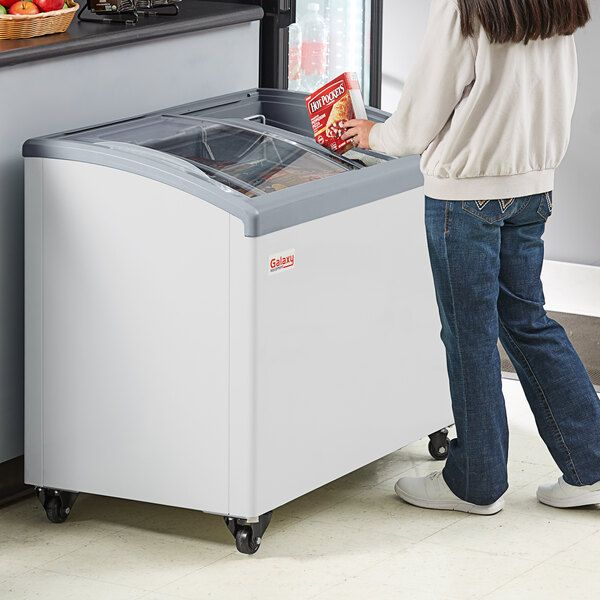
Whether it is a refrigerator or a freezer, its refrigeration principle is based on heat exchange and air circulation. Refrigerators maintain low temperatures through vapor compression refrigeration, relying on forced convective heat transfer and intermittent operation mechanisms, while freezers inhibit microbial growth and extend the shelf life of food materials through a continuous low temperature environment. However, both face a common problem-overload.
When there is too much food in the refrigerator or freezer, it will seriously hinder the air circulation, resulting in uneven heating and cooling, or even no cooling at all. At the same time, the excessive heat capacity of the food will also increase the cooling load, so that the compressor runs at a high load for a long time, but reduces the cooling efficiency. In addition, overload may also affect the judgment of the temperature sensor, causing the compressor to stop early, further weakening the refrigeration effect. Therefore, reasonable control of the loading capacity, leaving enough space for air circulation and cold buffer, is the first step in the scientific use of cold storage equipment.
2、scientific storage, partition management
The internal space of the refrigerator and freezer should be reasonably partitioned for targeted storage according to the characteristics of the ingredients.
1.refrigerator storage recommendations:
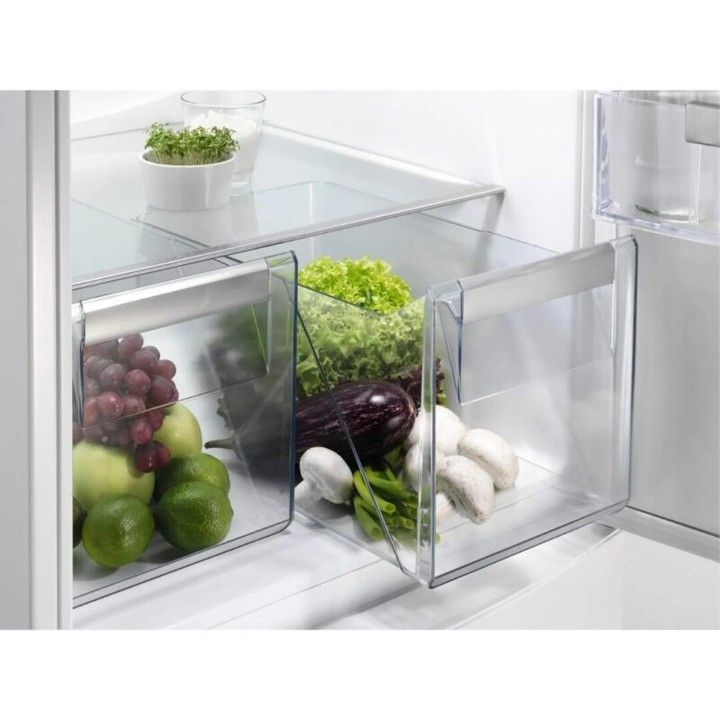
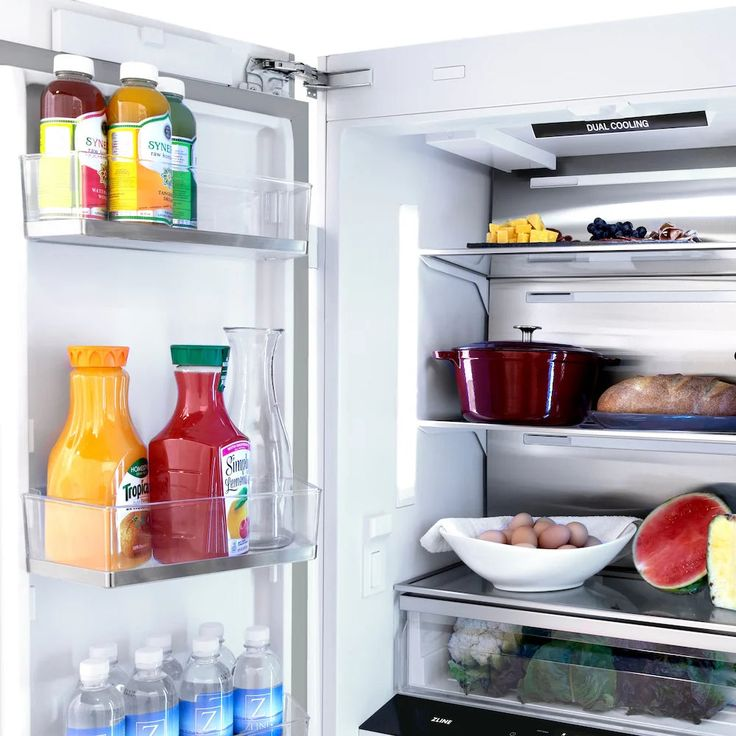
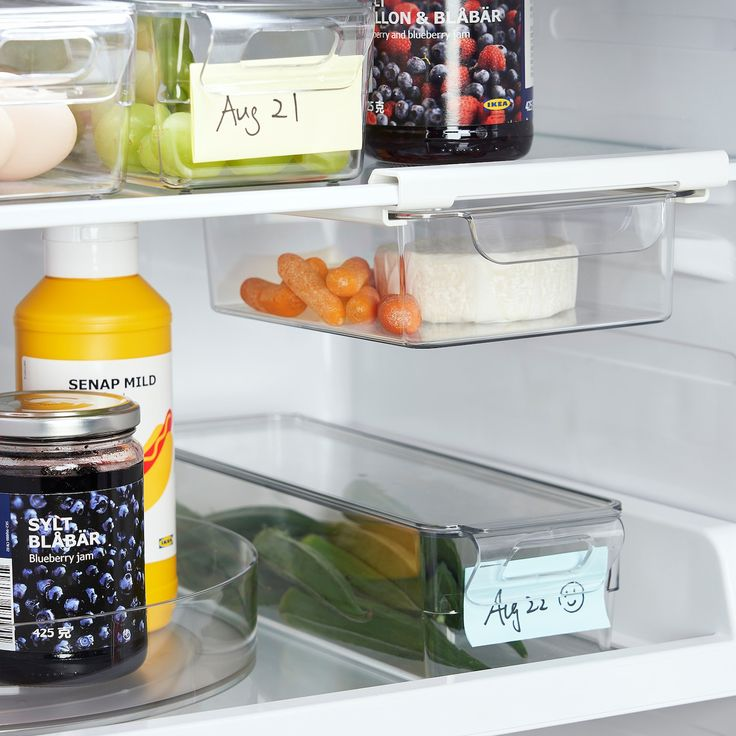
Cold storage room: the upper layer temperature is relatively stable, suitable for placing cooked food and dairy products; The middle layer has the best field of vision and is suitable for placing leftovers to be eaten on the same day or the next day. The lower layer has the lowest temperature and is suitable for placing raw meat and seafood. The drawer has good moisture retention and is suitable for storing vegetables and fruits. The door frame has the largest temperature fluctuation and is only suitable for storing non-perishable foods such as beverages and condiments.
Regular cleaning: avoid long-term hoarding, check once a week, timely disposal of expired or no longer edible food, keep the refrigerator clean and air circulation.
2.freezer storage recommendations:
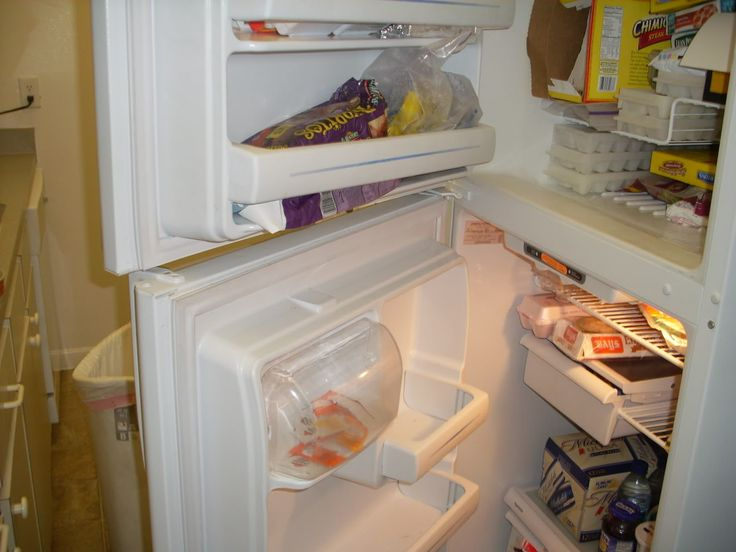
Upper/drawer: put frozen food, ice cream, cooked food and other hot ready-to-eat food.
Middle: place seafood, aquatic products, pay attention to the juice easy to pollution, need to be stored separately.
Lower layer: place raw meat, poultry, juice may contain bacteria, it is strictly prohibited to drip to the lower cooked food.
Leave gaps: There should be gaps between foods to allow cold air to circulate and ensure rapid and even freezing.
3、pretreatment techniques to extend the shelf life
Proper pretreatment can minimize the impact of freezing on the quality of ingredients and extend the edible life.
1.refrigerator ingredients pretreatment:
Hot food cooling: hot soup, leftovers should be naturally cooled to room temperature and then put into the refrigerator, to avoid a significant increase in power consumption and affect the temperature of the surrounding cold storage.
Classified storage: classified storage according to the characteristics of food materials, such as raw and cooked separation, dry and wet separation, etc., to avoid cross-contamination and cross-flavor.
2.freezer ingredients pretreatment:
Sub-packaging and marking: cut the ingredients into portions according to the single consumption amount, seal the packaging respectively, and mark the name and freezing date of the ingredients on the packaging to establish the principle of “first in, first out.
Blanching treatment: for vegetables and other food materials, blanching treatment must be carried out before freezing to inactivate the oxidase causing deterioration and keep the color and nutrition.
Adequate drying and pre-cooling: The surface of all food materials to be frozen should be as dry as possible. Hot food must be thoroughly cooled to room temperature before being put into the freezer to avoid increasing the internal temperature and causing temperature fluctuations of other foods.
4、master the freezing method to improve the preservation effect
The correct freezing method can directly affect the freezing efficiency and effect, and improve the preservation quality of food materials.
Use quick-freezing function: start the quick-freezing function of the freezer in advance to make the temperature drop rapidly, so as to promote the simultaneous condensation of water inside and outside the food cells into tiny and evenly distributed ice crystals, and prevent large ice crystals from damaging the cell wall.
Control loading: Although the freezer is fully loaded with the largest heat capacity, the smallest temperature fluctuations, the most power, but also to avoid excessive loading caused by air circulation is blocked. It is recommended to load reasonably according to the actual capacity of the freezer and the characteristics of the ingredients.
5、judge whether frozen ingredients are frozen
Freezing does not stop time and only slows down biochemical reactions dramatically. Therefore, learn to judge whether the food spoilage is safe to eat.
Frozen burning phenomenon: dry, whitish or grayish brown patches appear on the surface of the food, and the meat looks like spongy or leathery. Slightly frozen and burned can be removed after eating, but the taste is firewood; severe oxidation deterioration should be discarded directly.
Touch and smell: after thawing, the food loses elasticity when pressed, the surface is sticky and slippery or emits a pungent smell of oil, indicating that it has deteriorated and should be discarded immediately.
Frost coverage: The surface of the food is covered with a thick layer of frost, which often means that the temperature fluctuates during storage, causing moisture to migrate. Although this kind of food may not have gone bad, but the taste has been greatly reduced, not recommended.
Conclusion
Scientific management of cold storage space is not only a respect for electrical appliances, but also a kind treatment of ingredients. By understanding the principles of refrigeration, proper storage, proper pre-treatment and mastery of freezing methods, we can better manage our household food reserves and make refrigerators and freezers the right-hand man in our lives. In the busy life, still can calmly cook, enjoy health and delicious.


