


What to do about the malfunction of the dryer drainage systemc

Summer in Boise and its surrounding areas like Meridian, Nampa, and Caldwell can be a delightful time for relaxation and enjoyment. At Appliances 4 Less Boise, we believe your home appliances can play a significant role in simplifying your summer activities. Here’s how you can leverage these tools to enhance your summer experience, even with appliances that are open box, scratch, and dented.
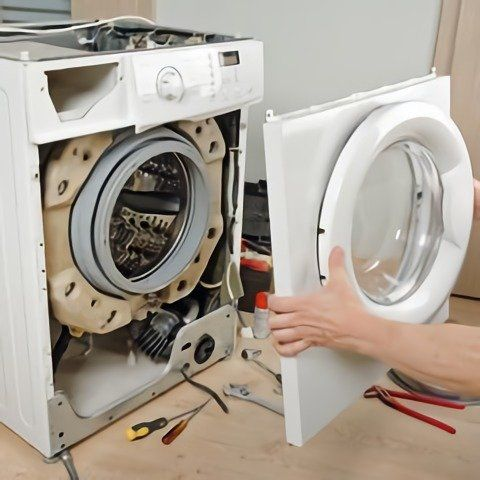
The drainage system failure of household dryers is a common problem that affects their work efficiency. The main manifestations are that the clothes are still wet after drying, the running time of the machine is abnormally prolonged, and there is water inside or around the machine, and the failure code prompts that may be triggered. The drainage system is like the dryer’s”Urinary system” and is responsible for effectively removing the water from the clothing as it evaporates. Its dysfunction will directly lead to the decrease of heat exchange efficiency and the increase of energy consumption. In the face of such problems, we can follow a logical troubleshooting process, most of the initial problems can be resolved by themselves, so as to restore the normal function of the equipment.
(1)、Stop immediately and check the fluff filter
In case of suspected drainage failure, the dryer should be stopped immediately. First check the target for the fluff filter. The core function of the component is to collect the fiber crumbs shed by the clothes during the drying process. Excessive accumulation of villi will seriously hinder air circulation, resulting in a decline in heat exchange efficiency, water can not be effectively taken away from the drum.
Operation Procedure: open the door of dryer and take out the filter mesh located in door frame or roller. Check for blockages under light. Use a soft brush to remove the fluff on the surface, and rinse the back of the mesh with warm running water to thoroughly remove the fine fibers. Be sure to wait until it is completely dry before reloading. This inspection and cleaning should be done as a routine practice and is the key to preventing most problems.
(2)、 Check and dredge the drainage hose
If the problem persists after cleaning the filter, the focus of the investigation should be shifted to the drainage hose. This hose is the main channel for discharging condensate or pumping out waste water. Blockage or bending of the hose is the most common cause of poor drainage.
1. Safety preparedness
Before operation, be sure to unplug the dryer from the power outlet to ensure complete power off of the equipment. If the hose is connected to a sewer line, close the relevant valve or remove the connection synchronously.
2. Checking and dredging
Locate the drain hose connection on the back or bottom of the dryer. Visual inspection of the tube body without indentation, dead fold. Remove the hose, under the assistance of light to observe the tube and the body interface whether there is foreign matter blocking. It can be dredged by using special pipe dredging strips or long handle soft brushes. It can also be placed in the sink and flushed reversely with a larger flow of water.
3. Reset connection
After dredging, re-install the hose firmly to the body interface and the sewer, ensure that all clamps are tightened, and adjust the direction of the pipeline to avoid excessive bending at the rear of the equipment and maintain a smooth path.

(3)、 Clean the condensate collection box and filter screen
Dryers using condensation technology require special maintenance of their condensate collection system.
1. Empty the water tank
Check and empty the condensate tank in the machine regularly. Prolonged accumulation of water may lead to spillage or the breeding of microorganisms that produce odours.
2. Clean condensate loop
Some models are designed with condensate loop or filter screen. Please follow the instructions to locate the condensate tank or filter located inside the machine. Remove it and rinse with clean water to remove the attached fluff and scale. In order to dissolve the stubborn scale, can be used every month dilute citric acid or white vinegar solution immersion cleaning, and then rinse thoroughly with water.
(4)、Diagnosis of drainage pump is working
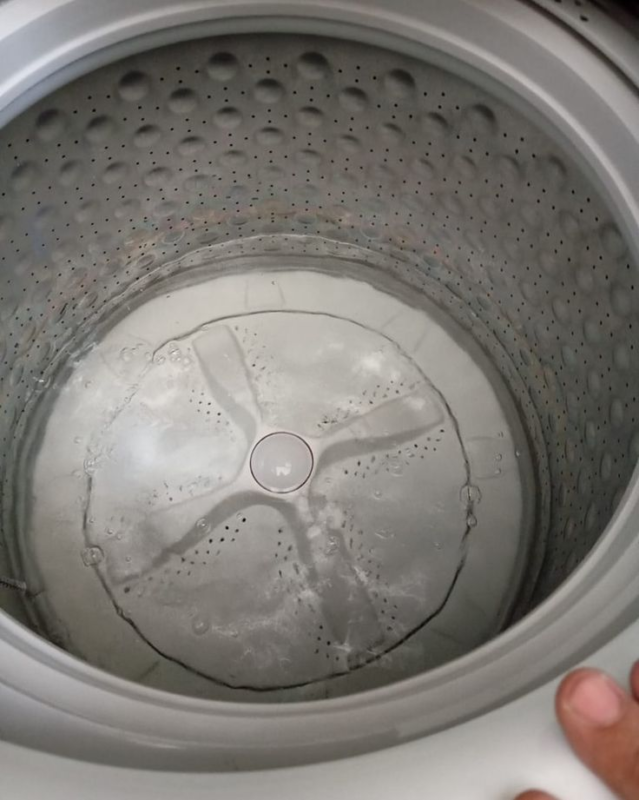
After the completion of the above-mentioned physical cleaning if the failure is still not ruled out, need to consider the working state of the drainage pump. The drain pump is responsible for the forced pumping out of the water.
1. Auditory judgment
Start the dryer’s single“Drain” or“Rinse + dehydrate” process. Listen in silence, close to the back of the machine. Normal operation should be able to hear the pump to start the low-pitched”Buzz” sound and the sound of water. If no sound, the pump may not work.
2. Preliminary examination
Open the machine back cover, check the drainage pump power connector is loose, and observe the pump body and the visible part of the impeller whether there is foreign body jam. Do not remove the pump body without a clear structure.
(5)、Professional help and preventive maintenance
When they can not solve the problem by themselves, they should seek professional services in time, and establish preventive habits to reduce the failure rate.
1. Stop dismantling yourself
When the core circuit board, Precision Sensor or motor assembly are involved, users without professional knowledge should stop in-depth dismantling to avoid secondary damage or safety risks.
2. Contact professional maintenance
A clear description of the phenomenon, attempted troubleshooting steps, and observations to the brand’s official after-sales or certified repair point can help technicians quickly locate the problem.
3. Get into the habit of prevention
Establish regular maintenance procedures. This includes: cleaning down filters after each use; monthly inspection of drain paths; quarterly cleaning of the condensing system as required by the model; avoiding excessive drying of clothing or textiles with large amounts of fines in a single run; Ensure the equipment is installed in a well-ventilated environment.
Conclusion
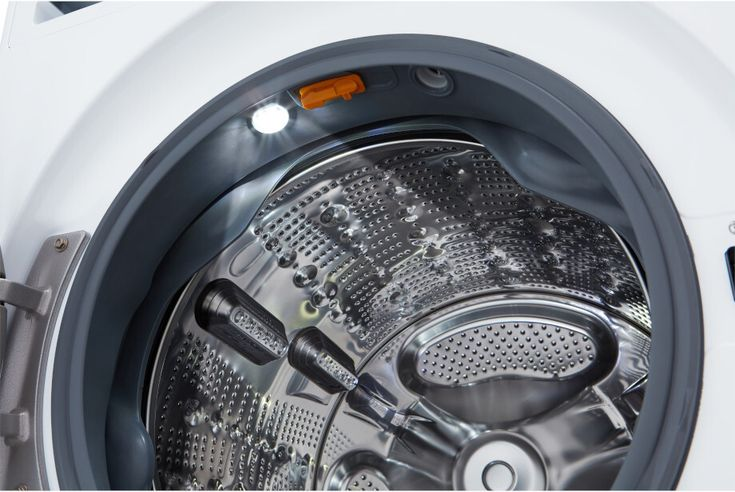
The disposal of dryer drainage system failure should follow the principle of systematic investigation from simple to complex and from outside to inside. The vast majority of problems stem from clogged fluff filters or physical blockages in drains that can be resolved with routine cleaning. For models with condensing units or drain pumps, regular, dedicated maintenance is essential. Effective initial diagnosis can not only quickly solve common problems, but also provide key information for professional maintenance. Through the establishment of scientific daily use and maintenance habits, the service life of the equipment can be significantly prolonged, and its continuous efficient and energy-saving working state can be guaranteed.


