



Guide for practical solutions to uneven heating in microwave ovens

Summer in Boise and its surrounding areas like Meridian, Nampa, and Caldwell can be a delightful time for relaxation and enjoyment. At Appliances 4 Less Boise, we believe your home appliances can play a significant role in simplifying your summer activities. Here’s how you can leverage these tools to enhance your summer experience, even with appliances that are open box, scratch, and dented.
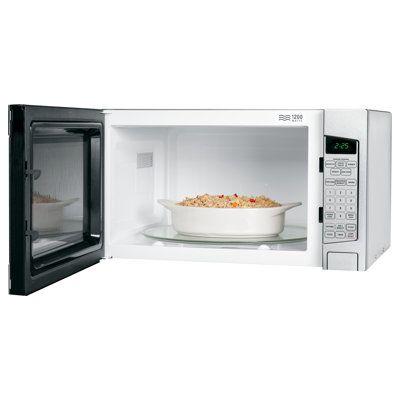
Have you ever felt confused and helpless when you took out that“Half hot and half cold” meal from the microwave? This is not your operating errors, but the working principle of the microwave oven and the use of the combined results. In fact, the microwave oven heating is not uniform is a common phenomenon, which hides an interesting scientific principle. By understanding these principles and mastering the corresponding techniques, you can easily solve this problem and make every bite of food steaming hot.
(1)、 to optimize food handling and presentation
1. Cutting and placement techniques
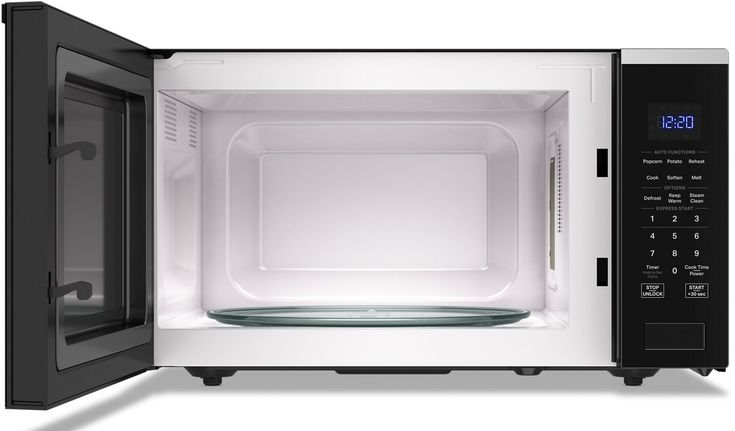
Cut large pieces of food into small pieces of uniform thickness to ensure that the microwave penetrates to the same depth. Arrange the food in a circle with the center left blank, so that the microwave penetrates evenly from the periphery, avoiding the accumulation of the center leading to underheat. Avoid piling food up or clinging to the edges of containers. Lay a flat layer, leaving gaps for microwave circulation.
2. Special handling of liquids and dense foods
Soup, porridge and other liquid foods need to be sub-heating and stirring out to prevent the bottom from overheating and the surface cold. Rice, noodles and other lumpy food, before heating spray a small amount of water and stir loose, halfway need to turn.
(2)、 scientific selection of containers and covering strategies
1. The material and shape of the container
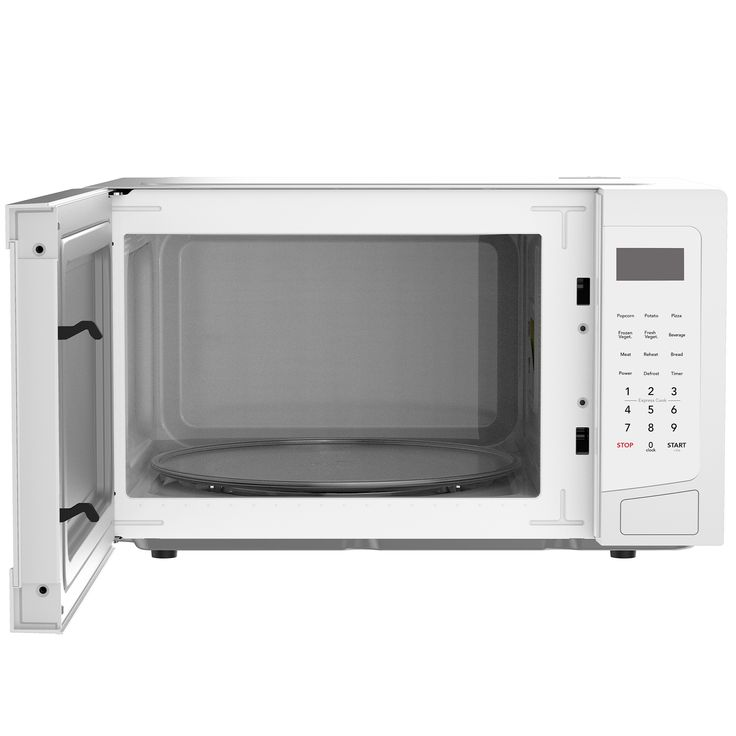
Use round shallow glass or ceramic containers instead of metal or deep bowls. The plate microwave oven can use the special bracket to place the food in layers and exchange the upper and lower positions midway.
2. Moisture retention and steam utilization by mulch
When heating, cover microwave special cover or fresh-keeping film, use steam to promote heat even conduction. Cover dry food with water and heat to prevent it from drying out.
(3)、 adjust the heating parameters and operation rhythm
1. Power and time settings
Give up the whole high fire, use low power to extend the heating time. Frozen food should be thawed and reheated to avoid the external cooked ice.
2. The balance between heating by stages and standing
Heat in stages, stirring or turning at the end of each stage. After the completion of heating standing, the use of residual heat so that the internal heat diffusion.
(4)、equipment maintenance and fault prediction
1. Daily Cleaning and inspection
Regular cleaning furnace wall oil, focusing on wiping the waveguide cover, to ensure smooth microwave transmission. Check the turntable rotation is smooth, clean up the track debris.
2. Fault identification and response
If the turntable stops running, check whether the track is stuck or motor failure. Heating uniformity sudden decline may be due to magnetron aging, it is recommended to contact professional testing.
(5)、 practical solutions for different ingredients
High-moisture food: low heat with step-by-step stirring.
Uneven density of food: cut into pieces after heating, halfway turned over.
Dry Foods: cover, heat, and keep wet.
Conclusion
Through targeted adjustment, most of the uneven heating problem can be improved. Key points include uniform cutting, ring placement, segmented heating, and regular cleaning of equipment. If the problem persists, it may be a hardware problem that requires professional repair.


