


Washing Machine Drainage Way Big Competition: on the drainage vs. under drainage

Summer in Boise and its surrounding areas like Meridian, Nampa, and Caldwell can be a delightful time for relaxation and enjoyment. At Appliances 4 Less Boise, we believe your home appliances can play a significant role in simplifying your summer activities. Here’s how you can leverage these tools to enhance your summer experience, even with appliances that are open box, scratch, and dented.
In the fast-paced modern life, the washing machine has become our home cleaning right-hand man. However, when it comes to choosing a washing machine, apart from brand, capacity and function, the details of how the water drains can be tricky. Upper drainage and lower drainage, these two common drainage methods, like two different styles of art path, each contains a unique charm and challenge. They are not only related to the installation and use of washing machines, but also closely related to the quality of our daily life. Next, let’s dig deeper.
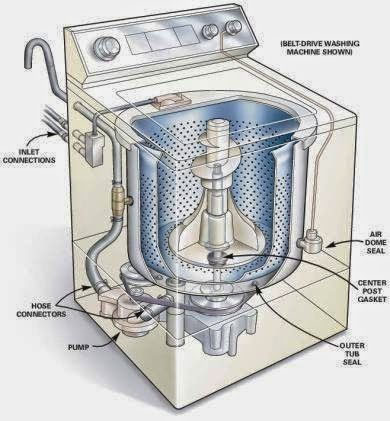
(1)、Principle and structure of drainage
1. upper drainage
①. Principle
On the core principle of drainage pump drainage. After the washing machine has finished the washing process, the drainage pump starts to work, like a strong heart, generating strong power to pump the water inside the washing machine upward, so that the water can overcome gravity to flow upward, it lays the foundation for the follow-up drainage process and exhibits a unique drainage operation mechanism.
②. Structure
On the drainage structure, the drainage pipe is the key. It can extend upward and bend, and is not strictly limited by the height of the drain. This design gives great flexibility to the drainage pipe, like a flexible dancer, can be freely used in different spaces, greatly expanding the washing machine installation location choice range, so that the washing machine is placed more freely.
2. drainage
①. Principle
Lower drainage follows the laws of nature, relying on the water’s own gravity to achieve drainage purposes. Without the help of a“Power engine” such as a drain pump, gravity forces water to move, just as gravity pulls water down in a stream, moving it in a simple and direct way, it is the basic principle of drainage that relies on the forces of nature.
②. Structure
In the structure of the lower drainage, drainage pipes generally need to be placed horizontally or slightly downward tilt. This kind of design arrangement is to match its characteristics of relying on gravity drainage, to ensure that water can flow smoothly in the pipe with its own gravity, and to avoid water accumulation and poor drainage, it is the structural key point to ensure the normal realization of the lower drainage function.
(2)、Drainage speed and efficiency
Drainage speed and efficiency is an important indicator to measure the performance of the washing machine drainage mode, the upper drainage and the lower drainage have their own characteristics in this regard.
1. upper drainage
①. Drainage Rate
On the drainage in the drainage speed, mainly depends on the performance of the drainage pump. Normal work, the drainage pump can pump out most of the water in a relatively short time. However, its drainage speed is not unlimited, will be subject to pump flow and head constraints, just as the car power, although driving speed under different road conditions are also different.
②. Drainage efficiency
On the whole, the upper drainage performs well in terms of drainage efficiency. Although the drainage speed will be limited by the pump flow and head, but still meet the daily laundry drainage needs. It can quickly discharge the water in the washing machine, so that the washing machine can quickly return to the standby state, and make full preparations for the opening of the next washing process.
2. drainage
①. Drainage Rate
The lower drainage relies on gravity to drain, and when the drainage pipe is unobstructed, the drainage speed is quite fast. The water is pulled by natural forces and can flow out of the washing machine quickly, without the need for extra energy to power the pump. This drain is energy efficient and runs as smoothly as if the water were flowing down a natural slope.
②. Drainage efficiency
There are some limitations in the way of lower drainage. When the drain becomes clogged or overly bent, the drain becomes less efficient. At this time, the drainage process is like a blocked river, water blocked, drainage time was forced to extend, seriously affecting the normal use of washing machines.
(3)、Noise level
The noise level will directly affect our daily life experience. The upper drain and the lower drain produce different levels of noise at work.
1. upper drainage
On the drainage at work, the operation of the drainage pump will produce a certain noise, especially in high-speed operation, noise may be more obvious. It’s like a machine at work. It makes a buzzing sound. In addition, the vibration of the pump may also be transmitted through the washing machine to the surrounding environment, affecting our lives.
2. drainage
Lower drainage mainly relies on gravity drainage, there is no drainage pump operation noise, so the overall noise level is low. In the drainage process, only when the water flow through the drain pipe will produce some light water sound, this sound is relatively small, will not cause obvious interference to our daily life, as soft as the wind on the leaves. Let us in the process of laundry can enjoy a quiet and comfortable.
Conclusion
Both the upper and lower drains have their own advantages and disadvantages. The upper drain shows strong adaptability and practicability due to its flexible pipeline structure and efficient drainage efficiency. The lower drain shows the characteristics of energy saving and quiet, for us to create a quiet and comfortable laundry environment. We should be based on their actual needs and family environment, weighing the pros and cons, make wise choices, so that washing machines better serve our lives.


