



Practical Guide to safety testing of washing machines


Summer in Boise and its surrounding areas like Meridian, Nampa, and Caldwell can be a delightful time for relaxation and enjoyment. At Appliances 4 Less Boise, we believe your home appliances can play a significant role in simplifying your summer activities. Here’s how you can leverage these tools to enhance your summer experience, even with appliances that are open box, scratch, and dented.
Washing Machine as a common household appliances, its security can not be ignored. In order to ensure the normal operation of the washing machine and our safety, we need regular careful safety inspection. The following is a practical guide to washing machine safety to help you make sure every detail of your machine is in tip-top condition.

Power supply and electric wire
1. Power Plug: check the power plug regularly for signs of burning, deformation, or damage. If abnormality is found, immediately replace the plug or seek professional repair.
2. Power Cord: carefully inspect the power cord for aging, breakage, or exposure. If there is a problem, replace the power cord in time to avoid electric shock or fire risk.
3. Power outlet: make sure the power outlet is properly grounded. Use a multimeter to test the connectivity of the ground wire. Ensure the safe and reliable use of electricity for washing machines.
Water intake and drainage
1. Water Inlet pipe: check whether the water inlet pipe connection is tight, there is no leakage phenomenon. If water leakage is found, tighten or replace the inlet pipe immediately.
2. Inlet valve: verify that the inlet valve switch is flexible, can accurately control the flow of water. If the valve is Cottonwood or damaged, repair or replace it promptly.
3. Drain pump filter: regularly clean the drain pump filter to prevent clogging leading to poor drainage. If the filter is blocked, clean or replace it in time.
4. Drainage system: Test whether the drainage system is smooth, to ensure that the water in the washing process can be smoothly discharged. If the drainage is not smooth, check whether the drainage pipe is bent or blocked, and carry out corresponding treatment.
Internal structure and components
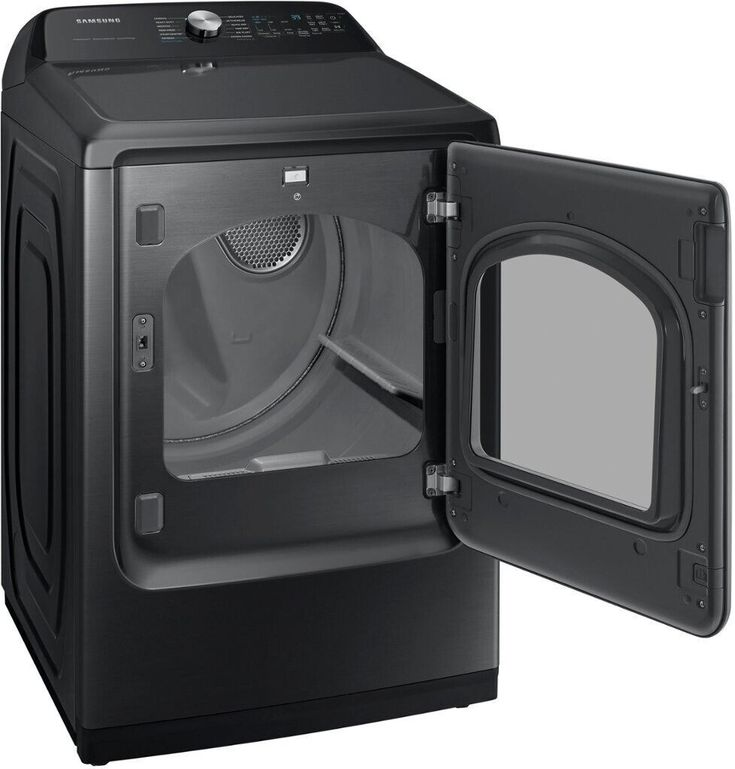
1. Inner Cylinder: open the washing machine door and carefully inspect the inner cylinder for cracks or damage. If cracks or damage are found, stop using immediately and seek professional repair.
2. Stirrerroller: check to see that the stirrer orroller is running smoothly and free from Cottonwood. Such as abnormal operation, may be motor or bearing problems, need timely maintenance.
3. Balance system: make sure the balance system of the washing machine is in order. If the washing machine in the washing process of excessive vibration or noise, may be the balance system problems, need to be adjusted or maintained.
4. Seal ring: check the washing machine seal ring is intact. If found aging or damage, timely replacement of the seal ring to prevent leakage.
Control panel and program setting
1. Button/knob: check whether the button or knob on the control panel is sensitive and reliable. Repair or replace buttons or knobs as soon as possible if Cottonwood fails.
2. Program settings: verify that the washing machine program settings are correct. Read the instructions carefully, understand the functions and scope of application of each procedure, and select the appropriate procedure for washing according to the actual situation.
3. Display Screen: test whether the display screen of the washing machine is normal. If the display screen is abnormal or can not be displayed normally, the display screen shall be repaired or replaced in time.
4. Alarm system: confirm whether the alarm system of the washing machine is effective. Such as washing machine failure when not issued an alarm, may be an alarm system problems, need timely maintenance.
Safety Performance and protective measures
1. Overheat protection: check whether the washing machine has overheat protection function. If the washing machine in the working process of overheating, may be overheat protection device failure, timely maintenance or replacement.
2. Child lock function: verify whether the child lock function of the washing machine is effective. If the child lock function fails, repair or replace the relevant parts in time to prevent children from misoperation.
3. Anti-leakage device: confirm whether the anti-leakage device of the washing machine is reliable. Use a multimeter to test the leakage of the washing machine. If leakage is found, stop using it immediately and seek professional repair.
4. Stability: check the stability of washing machine. Make sure the washing machine is placed on a level surface and that the height of the four legs is adjusted to keep it level and stable. If the washing machine is not stable, timely adjustment or reinforcement.
Conclusion:
Through the above washing machine safety testing practical guide, we can understand to ensure that the safe use of washing machines need to pay attention to many aspects. Regular inspection of these, can be found in time and deal with potential safety hazards, to ensure the normal operation of washing machines and our safety. Let us act for the washing machine to do a comprehensive“Check-up” for our lives to add a peace of mind and protection!


