



Refrigerator fault self-examination and maintenance guide

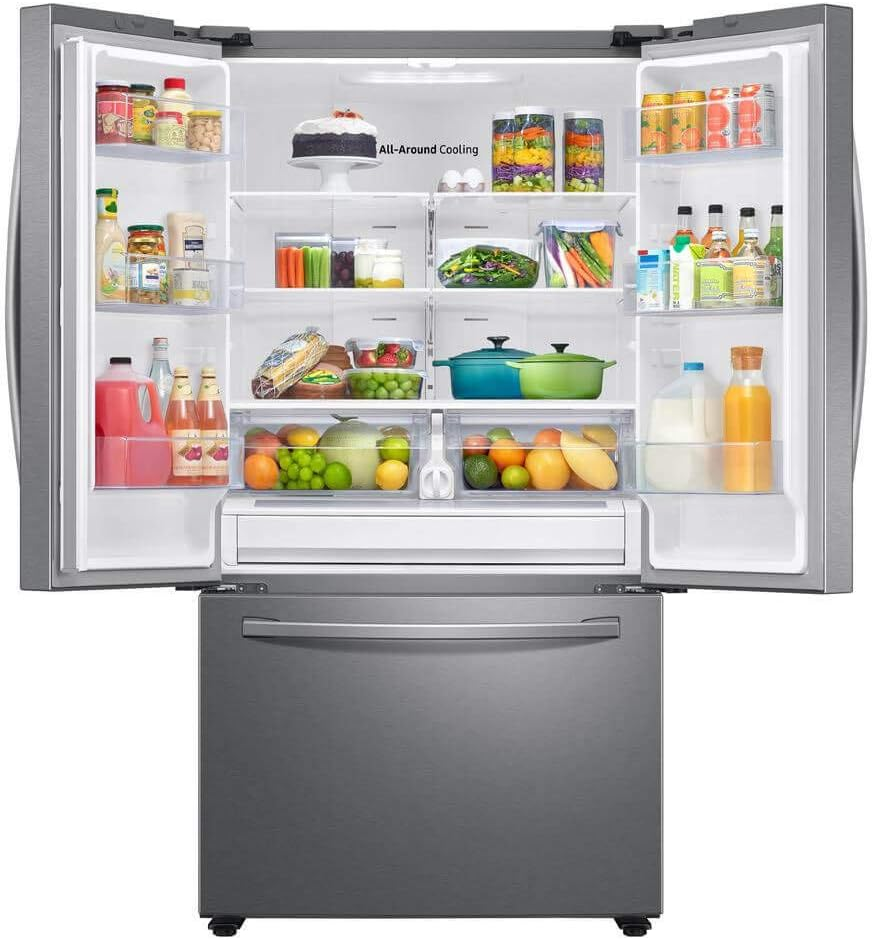
Summer in Boise and its surrounding areas like Meridian, Nampa, and Caldwell can be a delightful time for relaxation and enjoyment. At Appliances 4 Less Boise, we believe your home appliances can play a significant role in simplifying your summer activities. Here’s how you can leverage these tools to enhance your summer experience, even with appliances that are open box, scratch, and dented.
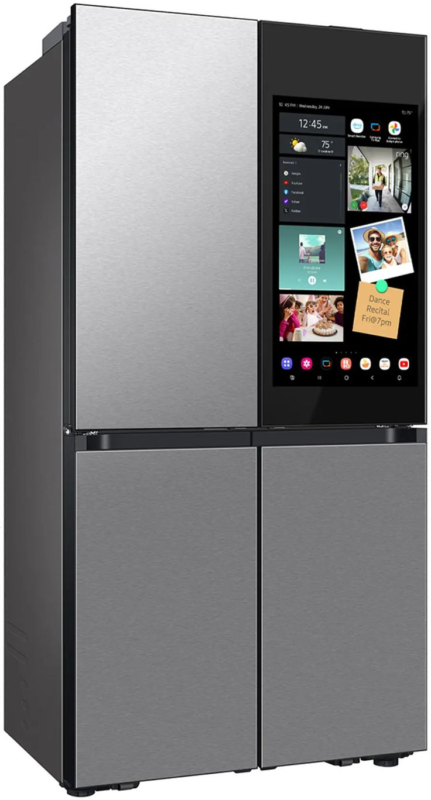
1、Refrigerator water leakage problem
(1). Four common causes of water leakage
1. Drain pipe is blocked
Performance: cold room back wall bottom water, may be accompanied by odor
Treatment: after power failure, dredge the drain with thin iron wire, flush the pipeline with hot water, and finally suck up the accumulated water.
Prevention: Clean the cold room regularly to avoid the accumulation of food residue
2. Sealing strip failure
Self-examination: Use A4 paper to clip at the crack of the door to test the sealing performance. If it can be easily pulled out, it needs to be handled.
Repair: The hot air of the hair dryer softens and deforms the sealing strip. If it is seriously damaged, replace it directly.
Data: Poor sealing can increase the loss rate of cold air by 30% and increase power consumption by 20%
3. Imbalance
Phenomenon: The inclination of the refrigerator causes the water tray to shift, and the water overflows from the bottom
Solution: Adjust the adjustable foot pad to make the refrigerator level, and test whether the water tray is leaking after returning to its position.
4. Improper use
Typical scene: hot food is not cooled directly into, not drained fruits and vegetables storage
Suggestion: Follow the principle of “put into the box after cooling” and use a fresh-keeping box to isolate moisture.
(2) .Three-step method for leak detection
1. Priority check whether the drain pipe is blocked
2. Confirm the integrity of the sealing strip and the level of the refrigerator
3. Contact professional maintenance after excluding the above factors
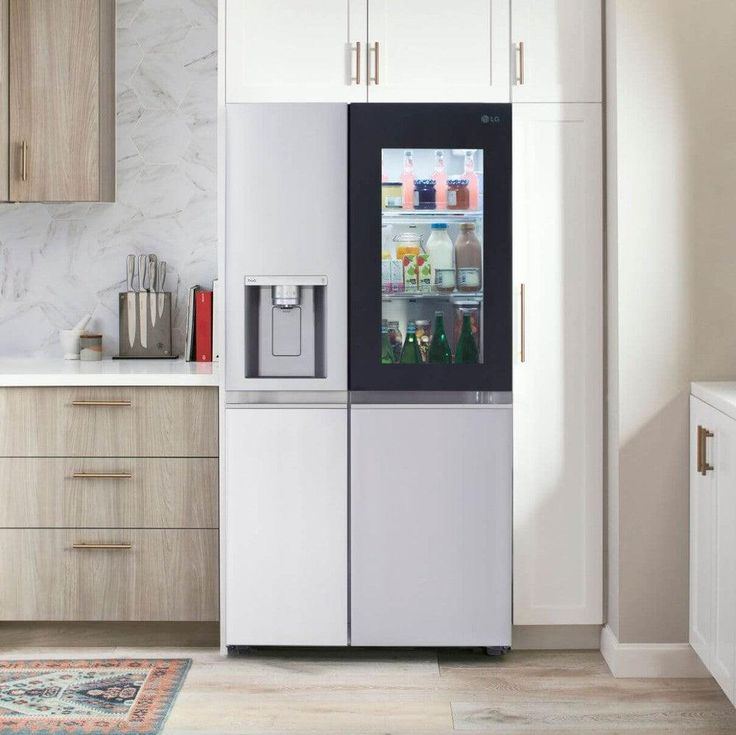
2、Six warning signs of abnormal cooling
(1) .Performance degradation
1. Reduced refrigeration efficiency
· The warm time of the refrigerator compartment is extended to 3-4 hours (normal 1 hour)
· The phenomenon of “soft freezing” occurs in the freezing chamber, and the meat is not completely frozen inside
2. Temperature distribution imbalance
· Thick frost near the evaporator, away from the area where the temperature is high
· The temperature of the bottom layer of the refrigerator compartment is lower than that of the upper layer (normal should be opposite)
3. Abnormal compressor
· Frequent start and stop (interval shortened to 10-15 minutes)
· Increased operating noise, body temperature over 50 ℃
4. Energy consumption surge
· Daily power consumption of 200-litre refrigerators increased from 0.5 degrees to 0.7-0.8 degrees.
· Smart meter monitoring can find a sudden increase in electricity consumption of 30%-50%
5. Abnormal frosting
· Local frosting of condenser tube and uneven frosting of evaporator
· The drain pipe is frozen and blocked (need to be cut off and defrosted)
6. Oil spot leakage
· Oil traces in the compressor return pipe indicate serious refrigerant leakage
· At this time, it is necessary to stop the machine immediately to avoid idling damage of the compressor.
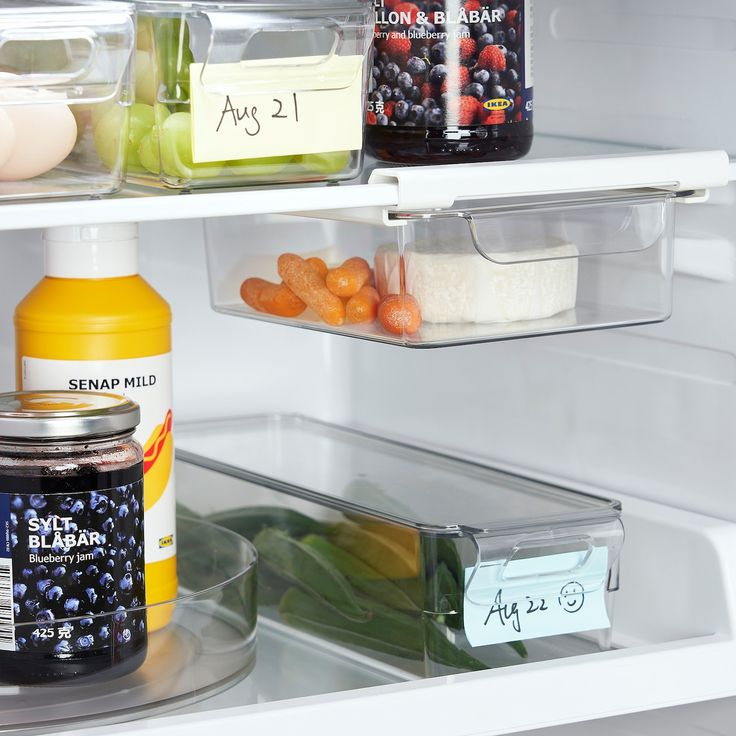
3、Four Root Causes of Insufficient Refrigerant
(1).Physical loss
1. Pipeline corrosion
· Use more than 5 years of refrigerator, copper/aluminum tube in humid environment is prone to electrochemical corrosion
· The welding place and elbow are high incidence areas, and the diameter of leakage point is usually less than 0.1mm.
2. Mechanical damage
· Condenser tube rupture due to handling vibration (common near compressor)
· Deformation of evaporator coil due to heavy impact
(2) .Human factors
1. Maintenance errors
· Incomplete vacuuming (residual air destroys the refrigeration cycle)
· Refrigerant charge error (normal charge error should be <5%)
2. Aging of components
· Compressor valve plate wear (common in refrigerators used for more than 8 years)
· Drying filter failure (unable to filter moisture impurities)
· The capillary tube is blocked (affecting the refrigerant flow)
4、Scientific Response and Prevention Strategies
(1).Troubleshooting process
1. Preliminary Judgment
· Measure the actual temperature of each area with a thermometer (refrigerated 2-8 ℃, frozen below -18 ℃)
· Observe the operating status of the compressor (normal interval 30-40 minutes)
2. Professional testing
· Contact the after-sales use leak detector to avoid adding refrigerant by yourself
· The refrigerant supplement needs to replace the drying filter at the same time.
3. Economic decision-making
· The refrigerator has been used for more than 10 years, and it is recommended to replace it when the maintenance cost is close to 50% of the new refrigerator.
· The energy efficiency of the new model is 30%-50% higher than that of the old one, which is more cost-effective for long-term use.
(2).Key Points of Daily Maintenance
1. Cleaning and maintenance
· Clean the condenser dust net every 2-3 years (affecting 10%-15% refrigeration efficiency)
· Check the door seal every month and clean the contact surface with a cotton swab dipped in alcohol.
2. Use specification
· Avoid frequent opening and closing of the door (about 0.5 ℃ cold air loss each time opening the door)
· Food storage should be controlled at 70%-80% of the volume.
3. Environmental optimization
· The refrigerator and the wall to maintain more than 10cm spacing to ensure heat dissipation
· Keep away from heat sources (e. g. oven, direct sunlight)
5、Usage Recommendations
1. Energy efficiency management
· It is recommended to adjust to the middle range (3-4 gears) in summer and to the middle and low range (2-3 gears) in winter.
· Go out for a short time (<4 hours) without increasing the temperature
2. Food management
· Use cling film/box to reduce water evaporation
· Tropical fruits, chocolate and other perishable ingredients are preferred
3. Abnormal monitoring
· Record daily power consumption and check in time when there is a sudden increase.
· Install smart sensors to monitor temperature fluctuations


